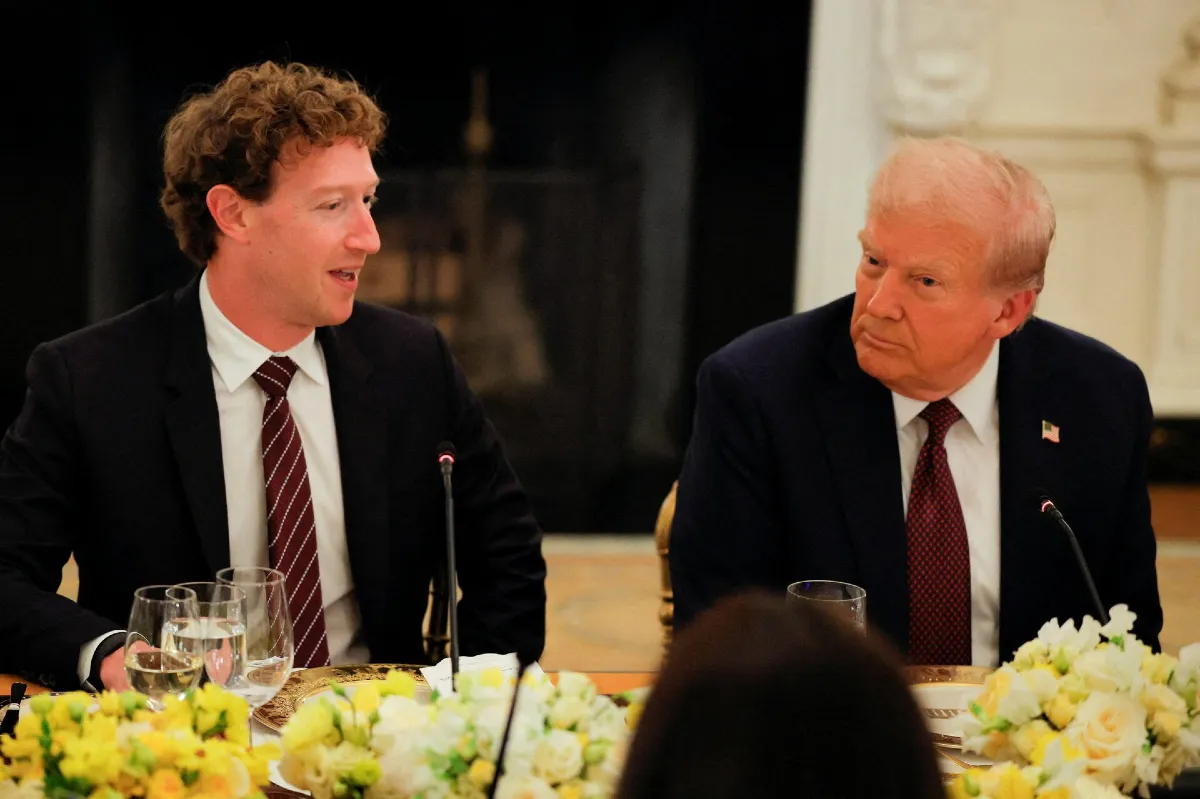
WASHINGTON — U.S. President Donald Trump is expected to appoint several leading technology executives, including Meta CEO Mark Zuckerberg, Oracle Executive Chairman Larry Ellison and Nvidia CEO Jensen Huang, to a key advisory panel on artificial intelligence, according to a Wall Street Journal report, March 25, 2026. The group is set to help guide U.S. policy as global competition in AI intensifies.
The panel, part of the President’s Council of Advisors on Science and Technology (PCAST), will play a central role in shaping Washington’s approach to artificial intelligence and emerging technologies. The council is expected to advise the administration on innovation, national security and economic competitiveness, particularly in relation to China’s rapidly advancing AI capabilities.
According to the report, Trump plans to announce an initial group of 13 members from the technology industry. Among them is Google co-founder Sergey Brin, alongside other prominent figures in Silicon Valley. The council could eventually expand to include up to 24 members, based on an executive order issued in January last year.
The inclusion of top executives from companies such as Meta, Nvidia and Oracle highlights the growing importance of private-sector expertise in government decision-making around AI. These companies are at the forefront of developing technologies that are reshaping industries, from generative AI systems to advanced semiconductor design.
The White House and the companies involved did not immediately respond to requests for comment, and further details about the panel’s agenda and structure have not yet been disclosed.
The formation of the advisory group comes at a time when the United States is seeking to maintain its leadership in artificial intelligence amid rising competition from China. Chinese firms, many of them supported by government initiatives, have made significant progress in developing AI systems and infrastructure, prompting concerns in Washington about technological and strategic advantages.
In recent years, the U.S. government has introduced a range of measures aimed at strengthening domestic AI capabilities, including investments in research, tighter export controls on advanced chips and increased collaboration with private industry.
The new panel is expected to serve as a bridge between policymakers and technology leaders, providing insights into the rapidly evolving AI landscape. By bringing together executives from some of the most influential companies in the sector, the administration aims to develop strategies that support innovation while addressing risks associated with the technology.
Artificial intelligence has become a central focus for both economic growth and national security, influencing areas such as defense, cybersecurity and global competitiveness. As a result, the role of advisory bodies like PCAST has expanded, with greater emphasis on emerging technologies.
The appointment of high-profile industry figures signals a recognition that collaboration between government and the private sector will be critical in shaping the future of AI. The panel’s recommendations could influence regulatory frameworks, funding priorities and international partnerships in the years ahead.
As the AI race accelerates, the formation of this advisory group underscores the strategic importance of aligning technological development with national policy goals.